CMS (Content Management System or content management systems) refers to software designed to create, update or modify digital content.
What is a headless CMS?
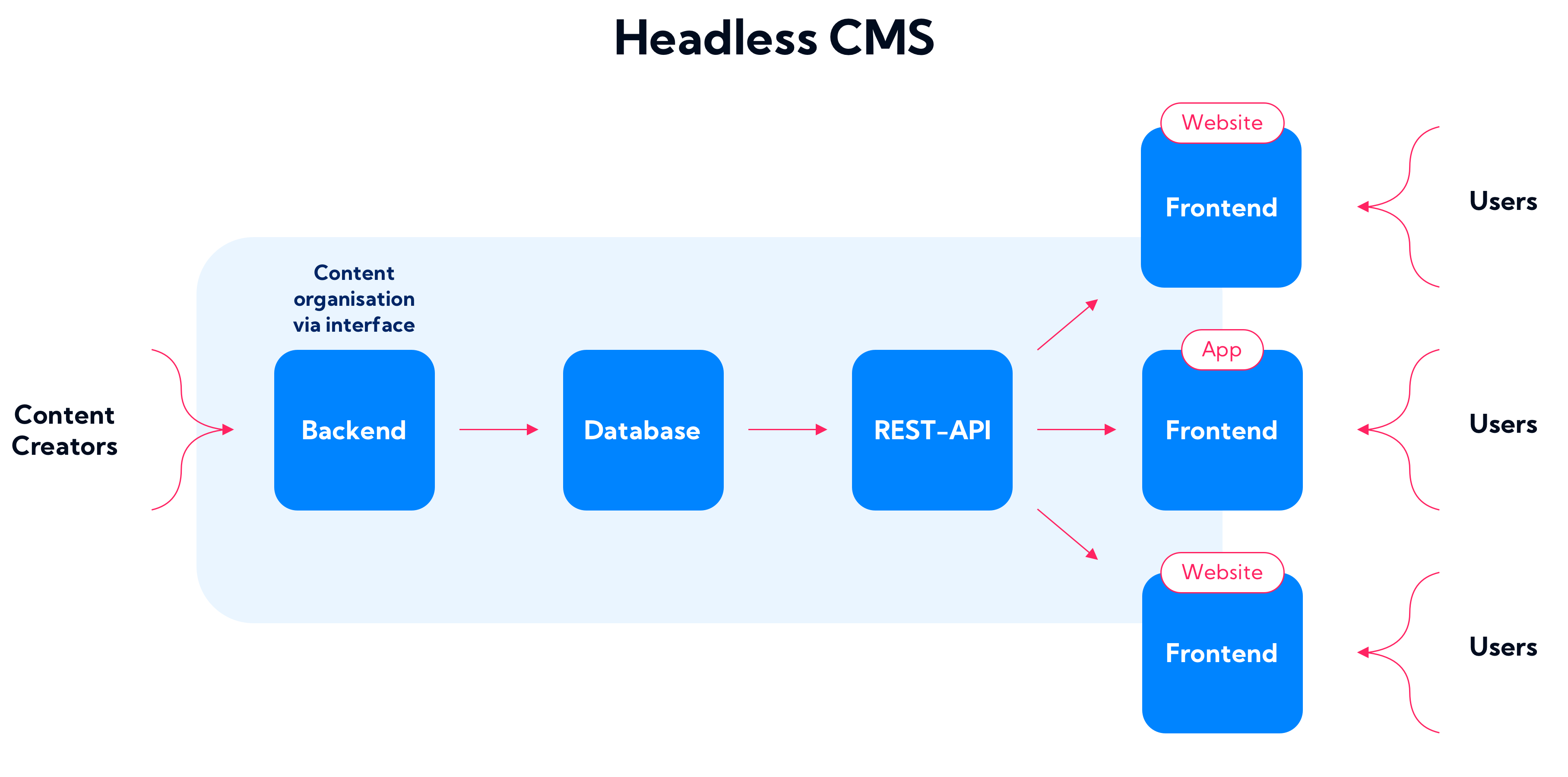
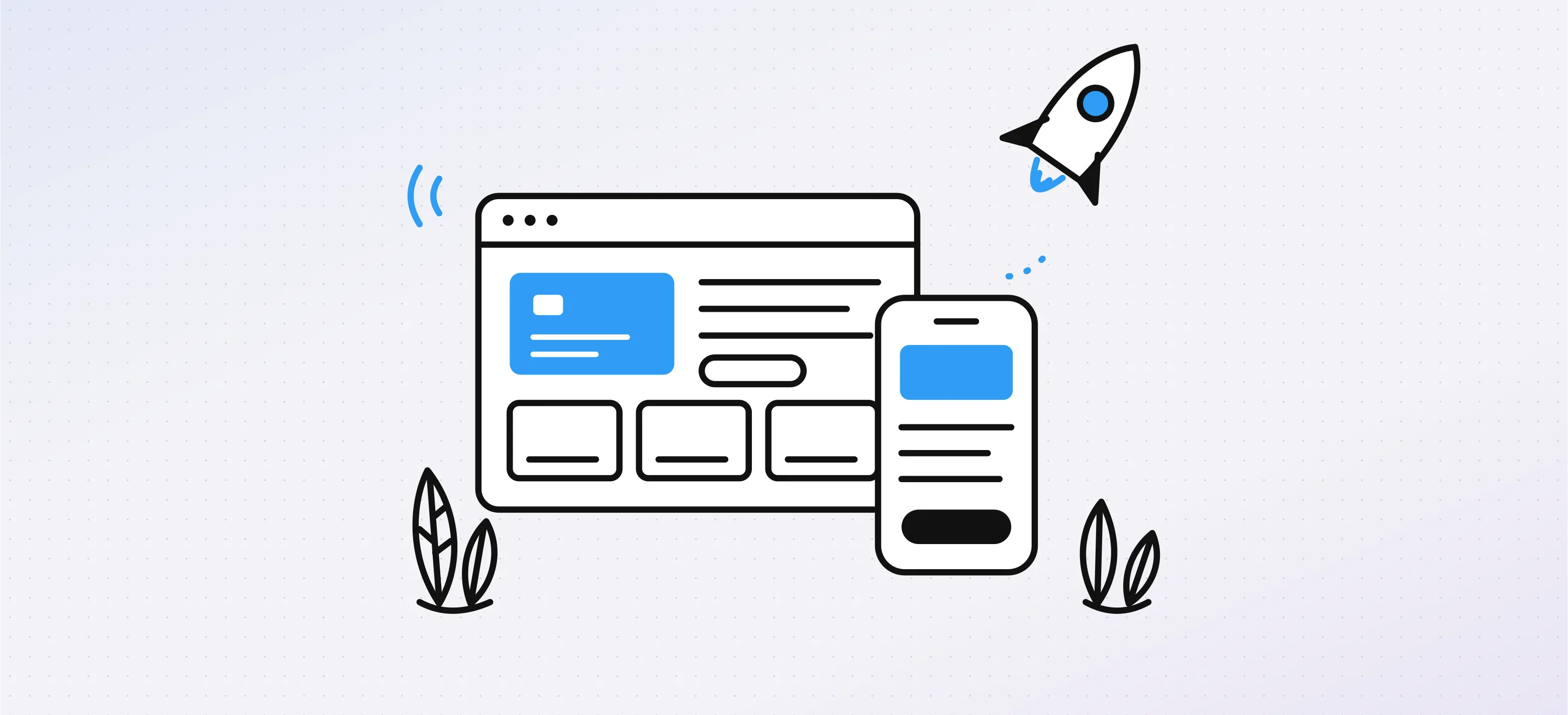
A "headless" CMS means that the CMS is not directly connected to the front-office (head). The CMS acts as an independent back-office, which offers an API allowing content to be displayed on all types of media (web, mobile, IoT, etc.).
What is the difference with a traditional CMS?
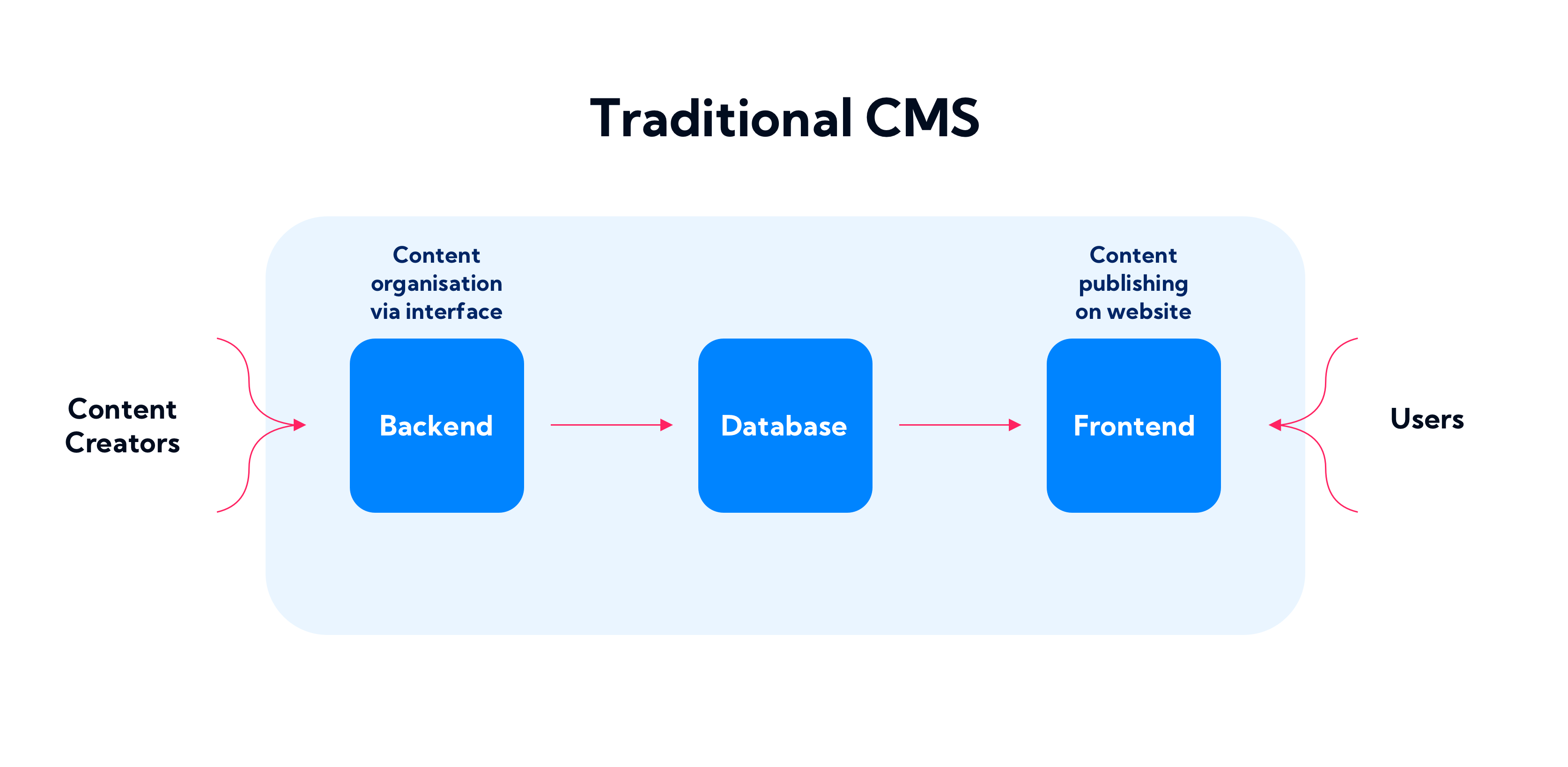
In a traditional CMS (also known as a coupled CMS), the back-office and front-office are directly linked. Take WordPress as an example: on the administration interface, users use editing tools to create and modify their content. They save it in a main database. The content is then handled by the template system which displays it on the site (on the front end). This means you are restricted to the specifications and limited possibilities offered by the CMS, particularly for the choice of programming language (PHP for WordPress).
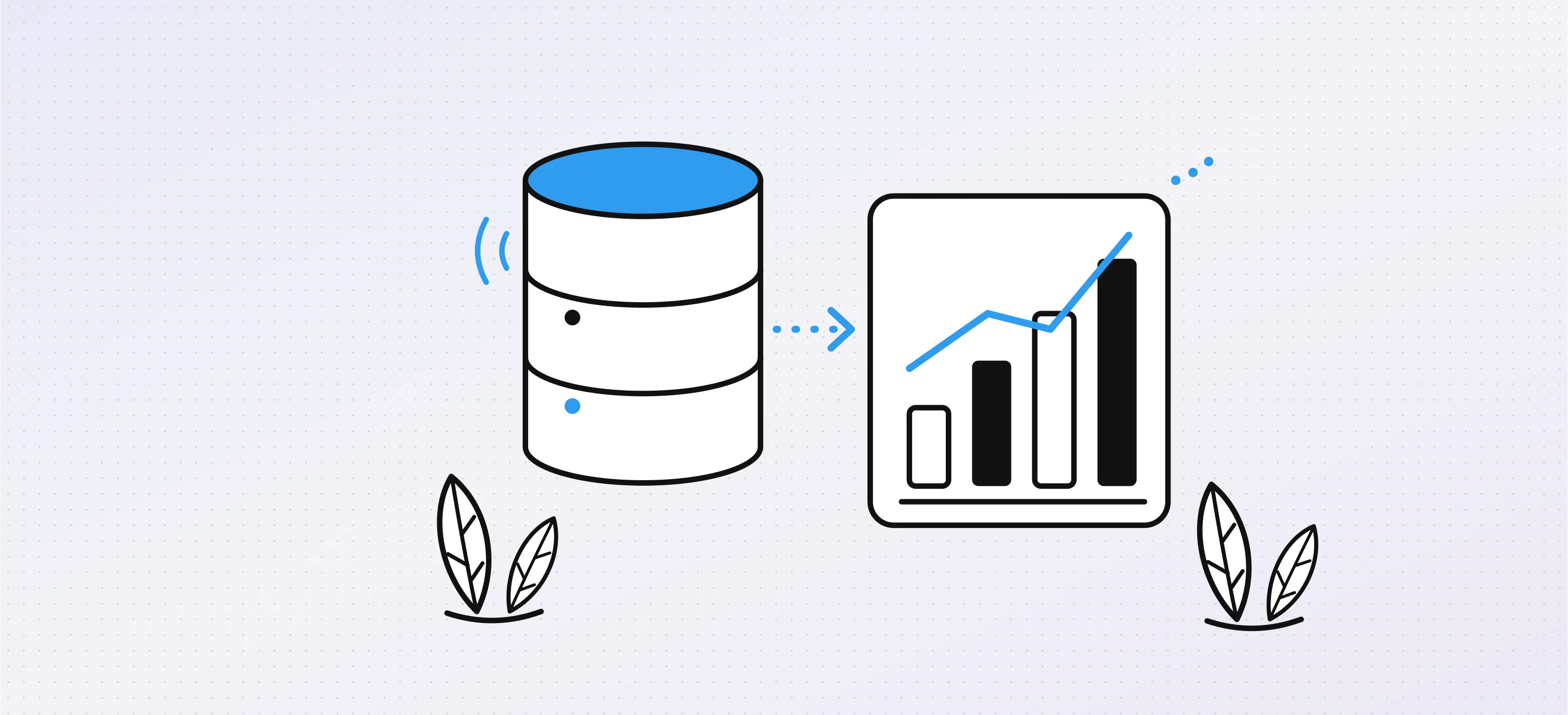
In a headless CMS, the back-end and front-end are not "coupled" to each other via a database: they communicate with each other via requests to an API. Not being directly linked to a front end, the headless CMS does not offer visual renderings such as those permitted by WordPress templates. The API only provides the data, which can be read from any front end, regardless of the language used.
The advantages of headless CMS
Compatibility with different programming languages and flexible front-office design
No design constraints : This system offers many more display possibilities than with most traditional CMS. Headless CMS therefore allow for greater personalisation of your users' experience.
Omnichannel Marketing : marketing and content teams only have to create the content once, and distribute it across all devices and channels.
Dynamic Data : in a traditional CMS, retrieving website content requires a page reload. In contrast, the REST API provides dynamic data that can be integrated into the page structure at any time, even without refreshing it.
Security: using a headless CMS reduces the risk of DDoS attacks
Adopting a headless CMS is particularly relevant in the following cases:
Websites and mobile applications using JavaScript frameworks (examples: VueJS, React or AngularJS)
Websites created with a static site generator (examples: Gatsby, Jekyll, Next.js), to learn more about static site generators and Jamstack architecture, consult
our article on this topic
Any ecosystem where the same content is published on multiple platforms
Among the best-known headless CMS, several open-source options can be mentioned: for instance,
Strapi or
Directus. Other powerful headless CMS, such as
Contentful for example, do not have open-source access.